


The Complete Guide to Roll-Off Bin Rental for Construction and Renovation Projects in Canada
Roll-off bin rental gives construction crews, contractors, and project managers a practical way to contain and remove large volumes of waste from active job sites. These open-top containers are delivered to the site, filled during the project, and picked up when removal is required.
This roll-off bin rental guide covers what you need to know before choosing a bin, including common uses, available roll-off bin sizes, cost factors, placement considerations, and rental planning. Whether you are managing a renovation, new construction project, demolition, or commercial cleanout, understanding your options can help you plan waste removal around the needs of the job.
What is a Roll-Off Bin and How Does it Work?
A roll-off bin is a large, typically open-top container designed to handle high volumes of waste, including bulky and irregular materials. The name comes from the way the container is loaded and unloaded. A specialized roll-off truck loads and unloads the entire container for transport.
Unlike smaller containers that are emptied into a collection truck, the entire roll-off bin is transported when it needs to be emptied. A bin can be delivered to an accessible location on a construction or renovation site and remain there according to the project's service arrangement.
Once the bin is ready for removal, the service provider collects it. Depending on the project and service requirements, the container may be removed entirely or emptied and returned so work can continue.
This combination of capacity and flexibility makes roll-off bins particularly useful for projects where waste volumes can be significant or change as work progresses. Construction and renovation projects often produce waste in stages. Demolition may generate a large volume near the beginning, while packaging, wood, drywall, fixtures, and other materials can accumulate throughout later phases.
For contractors researching roll-off bins in Canada, capacity is only one consideration. Site access, the type and weight of material, available placement space, project duration, and anticipated pickup frequency can all influence the appropriate bin and service schedule.
Planning for these factors before delivery can help keep waste removal aligned with the project's workflow and reduce avoidable disruptions on-site.
Roll-Off Bin Sizes and Which One Fits Your Project
Choosing among available roll-off bin sizes starts with two questions: how much material will the project generate, and what type of material will go into the container?
Emterra offers roll-off bins in several sizes for different project requirements. The sizes listed below are part of our standard offering, but other sizes are available upon request. Request a quote to discuss your project needs:
|
Bin size |
Approximate dimensions |
Common applications |
14-yard |
14' x 7.5' x 3.5' |
Small renovations, roofing jobs, and light construction debris |
20-yard |
20' x 7.5' x 4' |
General construction waste, renovations, and medium-sized cleanups |
30-yard |
22' x 7.5' x 5.5' |
Framing projects, bulky debris, and larger commercial construction |
40-yard |
22' x 7.5' x 7' |
Demolition, major cleanouts, and high-volume waste |
Volume is important, but it should not be considered in isolation. The physical characteristics and weight of the material matter too.
For example, a renovation involving cabinets, fixtures, packaging, wood, and other bulky materials may fill a container primarily because of volume. Dense materials such as concrete, dirt, and soil can reach applicable weight limits before the container is full. Projects involving these materials require additional planning and confirmation of weight requirements.
Project managers should also consider how quickly waste will accumulate. A renovation may produce most of its debris during demolition, while new construction can generate material throughout several phases. Understanding the expected waste pattern can help determine whether the project requires one container, multiple pickups, or another service arrangement.
Available space matters as well. Urban construction sites and active commercial properties may have limited room for a large container. In these situations, a smaller bin with more frequent service may be more practical.
Before choosing a size, consider expected volume, material weight, available space, site access, and how quickly the bin is likely to fill. Sharing these details with the service provider can help identify an appropriate option.
What Roll-Off Bins are Used For
Roll-off bins are commonly used as construction waste bins because they can accommodate bulky and irregular materials generated during building, renovation, demolition, and cleanout projects.
On new construction sites, they can provide a centralized location for appropriate materials as work moves through different phases. Renovations can also generate substantial amounts of debris in a short period, particularly when walls, flooring, cabinetry, roofing, fixtures, or other building components are being removed.
Demolition projects can generate significant quantities of wood, drywall, roofing materials, concrete, and other debris. Because both volume and weight can be substantial, choosing an appropriate bin and confirming material requirements are particularly important.Roll-off bins can also support commercial cleanouts and site clearing. Warehouses, offices, retail properties, industrial sites, and other facilities may need temporary additional capacity when spaces are being cleared, renovated, or prepared for a new use.
Depending on local requirements and the service arrangement, commonly accepted materials can include:
- Drywall, wood, and framing materials
- Roofing shingles and exterior materials
- Furniture, fixtures, and other bulky items
- General construction and renovation debris
- Concrete, dirt, and soil, subject to applicable weight limits and confirmation with the service provider
- Non-hazardous packaging, cardboard, and mixed waste
Not every material generated on a construction site belongs in a standard roll-off bin. Hazardous materials, asbestos, chemicals, propane cylinders, liquid waste, and certain other restricted materials should not be placed in the container. Requirements may also vary by location and waste stream.
Identifying expected materials before work begins can make the rental process easier. If a crew expects to encounter an unusual material, confirm whether it is accepted before placing it in the bin.
For businesses that require waste, recycling, organics, or other ongoing services in addition to temporary construction waste removal, Emterra's Commercial Waste Management solutions can be adapted to different sites, container requirements, and collection schedules.
Roll-Off Bin Rental Cost: What Affects Pricing?
There is no single roll-off bin rental cost that applies to every project in Canada. Pricing depends on service requirements, logistics, materials, and location.
Understanding these variables is useful when comparing roll-off dumpster rental options because the quoted price needs to reflect the requirements of the project, not simply the container itself.
Several factors can influence pricing:
Bin size: Larger containers generally have higher base rates than smaller options. Choosing the right size helps align capacity with the amount of waste expected.
Rental duration: The amount of time the container remains on-site can affect pricing, particularly for longer projects.
Material type and weight: Dense construction materials can add significant weight even when they occupy relatively little space. Heavy materials may require specific service arrangements or weight limits.
Project location: Haul distances, service areas, and local disposal or processing requirements can influence pricing.
Pickup frequency: A short renovation requiring one final pickup has different service requirements from an active construction site needing multiple pickups or container exchanges.
Providing accurate information when requesting pricing helps the service provider understand the project's needs. Be prepared to describe your location, expected materials, approximate volume, available placement area, anticipated rental period, and expected collection frequency.
For project-specific pricing, request a quote based on your site's requirements.
Roll-Off Bins vs. Front-End Bins: Which Do You Need?
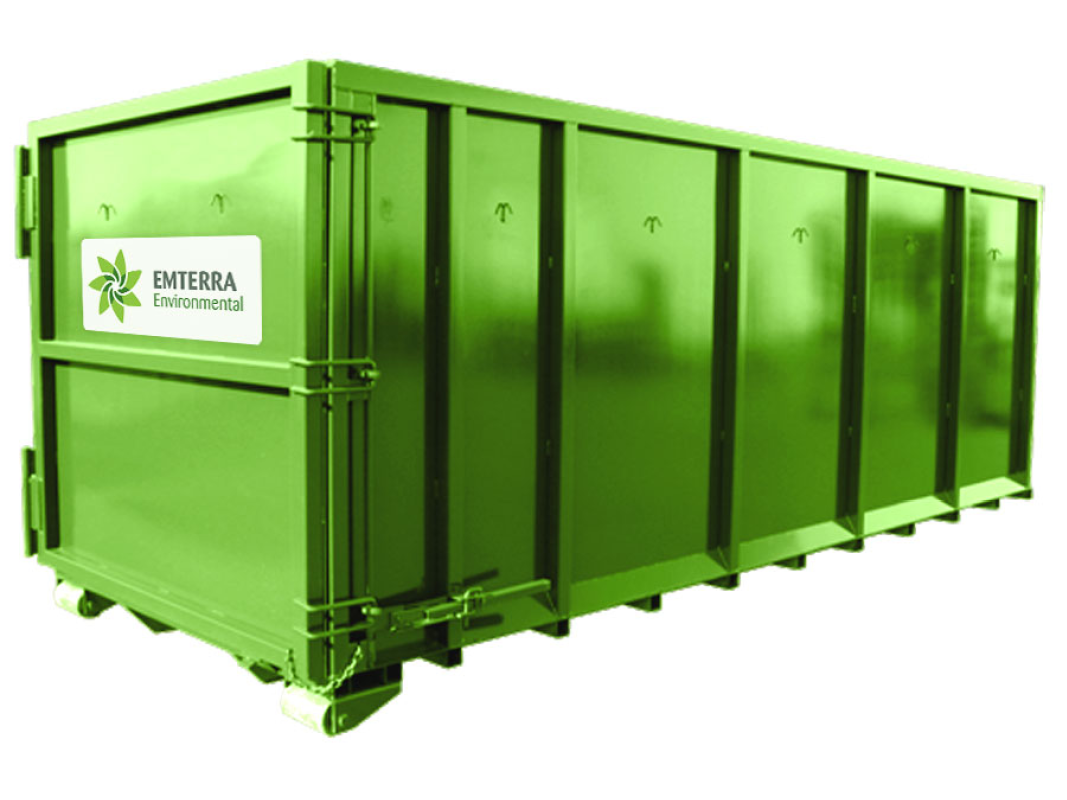 Roll-off bins and front-end bins both help businesses manage waste, but they are designed for different waste patterns and collection requirements.
Roll-off bins generally make sense when waste is generated in large or irregular volumes during a defined project. Construction, renovation, demolition, site clearing, and large commercial cleanouts are common examples.
Front-End Bins are better suited to businesses and properties that generate relatively consistent waste and need scheduled collection over time. These containers are serviced by front-end collection trucks rather than roll-off trucks.
Restaurants, offices, retail properties, multi-unit buildings, commercial facilities, and other operations with predictable ongoing waste may be better suited to front-end service. Construction sites and temporary projects, by comparison, can generate much larger quantities of material within shorter or less predictable periods.
Another key difference is how the containers are serviced. With a front-end bin, a collection truck lifts the container and empties its contents into the truck. With a roll-off bin, the roll-off truck transports the container itself.
In simple terms, a roll-off bin is usually the better fit for project-based, high-volume waste, while a front-end bin is typically more appropriate for recurring day-to-day waste. Some commercial properties may use both, such as a front-end bin for regular operations and a temporary roll-off bin during a renovation.
For a more detailed comparison, read our guide on Front-End Bins vs. Roll-Off Bins: Which is Right for Your Business?
Tips for Renting a Roll-Off Bin for Your Project
A little planning before delivery can make roll-off bin rental easier to manage throughout a construction or renovation project.
First, confirm where the bin will go. The placement area should be suitable for the container and provide sufficient access and overhead clearance for the delivery truck. A flat surface and enough manoeuvring room are important. The location should also work with normal site activities without unnecessarily interfering with workers, vehicles, equipment, or deliveries.
Placement on a public road or sidewalk may require a municipal permit, depending on local requirements. Checking in advance can help prevent delivery delays.
Next, identify the materials the project will generate. Do not assume every type of construction material can go into the same bin. Confirm accepted materials and applicable weight restrictions, particularly for concrete, soil, and other dense materials.
Make sure crews using the container understand these requirements. Clear instructions can reduce the risk of prohibited or unsuitable materials being placed in the bin.
Crews should also avoid filling a container beyond its permitted capacity. Overloading can create safety and transportation issues. Monitoring how quickly the bin fills can help determine when the next pickup should be scheduled.
Finally, coordinate collection with the project timeline. Consider demolition dates, major deliveries, project phases, site access, and periods of high waste generation. Planning your Roll-Off Bin service around these activities can help keep the site organized and waste removal moving with the project.
Get a Roll-Off Bin Rental Quote from Emterra
The right roll-off bin should fit the waste stream, site, and schedule rather than simply provide the largest available capacity. Considering material type, expected volume, placement, weight, and pickup frequency can help create a waste removal plan that works with the project.
Emterra provides roll-off bins for construction sites, renovations, demolitions, commercial cleanouts, and other projects requiring temporary, high-volume waste collection. As a Canadian-owned resource recovery company, Emterra works with commercial and industrial customers to develop practical waste and recycling solutions suited to their operational needs.
Planning a project? Tell Emterra about your requirements so the team can help identify an appropriate roll-off bin and service arrangement.